Watching your beloved senior cat struggle with dental issues can be heartbreaking. When age-related dental disease leads to tooth loss, many cat parents worry about their feline’s ability to eat and maintain proper nutrition. The good news? Finding the best wet food for senior cats with no teeth doesn’t have to be overwhelming, and your toothless kitty can absolutely thrive with the right dietary approach.
According to the American Veterinary Dental Society, nearly 70% of cats experience oral disease by age three, and this percentage increases dramatically in senior cats. Dental diseases including tooth resorption, stomatitis, and periodontal disease are common culprits behind tooth loss in aging felines. However, contrary to popular belief, cats can eat and live comfortably without teeth when provided with appropriate nutrition.
This comprehensive guide will explore everything you need to know about selecting, serving, and transitioning to the best wet food for senior cats with no teeth, backed by veterinary expertise and real-world feeding success stories.
Understanding Why Senior Cats Lose Their Teeth
Before diving into food recommendations, it’s crucial to understand the underlying causes of tooth loss in senior cats. This knowledge helps explain why specific feeding approaches work better than others for toothless felines.
Common Causes of Dental Problems in Senior Cats
Tooth Resorption (TR) is the leading cause of tooth loss in cats of all ages, but it’s particularly prevalent in seniors. This condition occurs when the cat’s body begins rejecting one or more teeth as a defense mechanism, leading to internal destruction of the tooth structure until they eventually crumble away. Veterinary dental specialists believe vitamin and mineral imbalances may trigger this disease, with Siamese, Persian, and Abyssinian breeds showing higher susceptibility.
Periodontal Disease develops when unchecked gingivitis progresses to damage the tissues supporting the teeth. According to research from Cornell University’s Feline Health Center, more than 50% of cats older than four suffer from some form of dental disease. Unlike gingivitis, which is reversible with proper treatment, periodontitis causes irreversible damage and often necessitates tooth extraction.
Stomatitis presents as a debilitating oral condition where the immune system overreacts to plaque bacteria, causing severe inflammation throughout the mouth. Treatment typically involves partial or complete tooth extraction to eliminate the inflammatory trigger and provide pain relief.
The progression of these conditions explains why many senior cats eventually require extensive dental extractions. However, veterinary dental specialists consistently report that cats feel significantly better and eat more comfortably after painful, diseased teeth are removed.
How Cats Eat Without Teeth: The Science Behind Feline Feeding
Understanding feline anatomy helps explain why cats adapt remarkably well to eating without teeth. Unlike humans who grind and chew food extensively, cats are designed to tear and swallow their prey in chunks.
The Role of Feline Tongue and Feeding Mechanics
Cats possess incredibly versatile tongues equipped with backward-facing hooks called papillae. These tiny spikes, which help with grooming, also serve as perfect tools for manipulating food without teeth. The feline tongue works like velcro, allowing toothless cats to grasp and position food for swallowing.
Dr. Melissa Guillory, a veterinary dental specialist, explains that cat teeth primarily function for grasping and shearing rather than grinding. “Many cats already swallow their food with minimal chewing,” she notes. “The tongue propels food to the back of the oral cavity, making the transition to toothless eating relatively seamless.”
This anatomical advantage means that the best wet food for senior cats with no teeth should focus on texture and consistency rather than requiring completely liquid diets, as many pet parents assume.
Essential Nutritional Requirements for Senior Cats with No Teeth
The nutritional needs of senior cats don’t change simply because they’ve lost their teeth. However, the delivery method and food texture become critically important for ensuring adequate nutrient intake.
Protein Requirements and Quality Considerations
Senior cats require high-quality protein to maintain muscle mass and support organ function. Regardless of dental status, cats should derive at least 90% of their daily calories from proteins and fats. For indoor senior cats, including spayed or neutered felines, daily caloric needs typically range from 180-250 calories.
The best wet food for senior cats with no teeth should feature:
- Premium whole meat proteins as the primary ingredient
- Minimal carbohydrate content (under 10% of total calories)
- Easily digestible protein sources
- Added moisture for hydration support
Moisture Content and Hydration Benefits
Wet food provides significant hydration advantages for senior cats, who often struggle with decreased thirst drive and potential kidney function decline. Quality wet foods typically contain 75-85% moisture, compared to only 6-12% in dry kibble.
For toothless senior cats, this moisture content serves dual purposes: easier swallowing and improved overall hydration. Dehydration can exacerbate age-related health issues including kidney disease, constipation, and urinary tract problems.
Top Veterinarian-Recommended Wet Foods for Senior Cats with No Teeth
Based on extensive veterinary research and clinical experience, several brands consistently earn recommendations for senior cats with dental challenges.
Royal Canin Aging 12+ Thin Slices in Gravy
Veterinary nutritionists frequently recommend Royal Canin’s senior formulations for their scientific approach to age-related nutritional needs. The Aging 12+ formula features thin, easily manageable slices in a nutritious gravy that toothless cats can swallow comfortably.
Key Benefits:
- Soft texture perfect for gums
- Enhanced with antioxidants for immune support
- Formulated specifically for cats 12 years and older
- Balanced phosphorus levels for kidney health
According to PetMD‘s veterinary panel, this formula ranked as the top choice for meeting the changing nutritional needs of senior cats, particularly those with dental challenges.
Hill’s Science Diet Adult 7+ Senior Vitality
Hill’s Science Diet consistently receives veterinary endorsement for its research-backed formulations. The Senior Vitality line addresses multiple age-related concerns while providing the soft texture necessary for toothless cats.
Notable Features:
- Enhanced with vitamins C and E for antioxidant support
- Omega-3 fatty acids for joint and cognitive health
- Clinically proven to improve vitality in senior cats
- Available in various flavors and textures
Dr. Hannah Hart, a veterinary nutritionist, specifically highlights this formula’s ability to support overall senior cat health while remaining gentle on sensitive mouths.
Tiki Cat Silver Mousse with Chicken & Pumpkin
Designed specifically for cats aged 11 and older, Tiki Cat Silver Mousse offers an exceptionally smooth texture that’s ideal for toothless seniors. The mousse consistency eliminates any chunks that might pose swallowing difficulties.
Distinctive Advantages:
- Silky smooth texture requires no chewing
- High-quality protein from chicken
- Added pumpkin for digestive health
- Nutrient-rich formulation for senior needs
Purina Pro Plan Prime Plus 7+ Chicken & Rice Formula
Purina Pro Plan’s senior line receives consistent veterinary recommendations for its balanced nutrition and digestibility. The Prime Plus formula specifically targets the needs of cats seven years and older.
Standout Elements:
- Easily digestible ingredients
- Added probiotics for digestive health
- High-quality chicken as the primary protein
- Soft pâté texture suitable for toothless cats
Texture Considerations: Finding the Perfect Consistency
Not all wet food textures work equally well for toothless cats. Understanding the differences helps you select the most appropriate options for your senior feline.
Pâté vs. Chunks in Gravy: What Works Best?
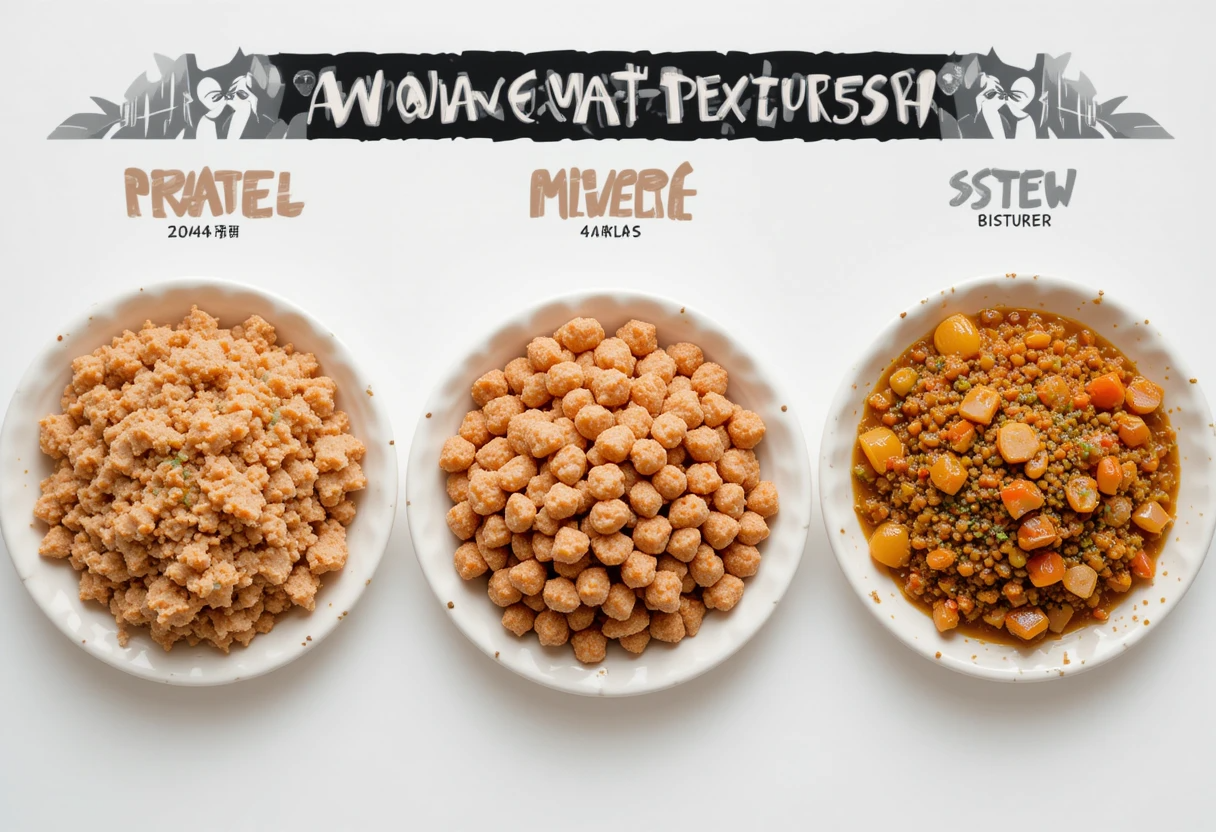
Contrary to intuition, many toothless cats struggle with smooth pâté textures. The paste-like consistency can stick to the roof of their mouth, causing gagging or food rejection. Instead, the best wet food for senior cats with no teeth often features minced or shredded meat in gravy or jelly.
Veterinary observations consistently show that cats prefer:
- Small, soft chunks in gravy
- Shredded textures with moisture
- Mousse consistencies (for some cats)
- Flaked meat in sauce
Adding Moisture for Easier Consumption
Even high-quality wet foods can benefit from additional moisture for toothless seniors. Simple modifications include:
- Adding warm water to create a soup-like consistency
- Mixing in low-sodium chicken broth for flavor
- Warming the food slightly to enhance aroma and soften texture
These modifications make food easier to lap up and swallow while providing extra hydration.
Feeding Strategies and Practical Tips
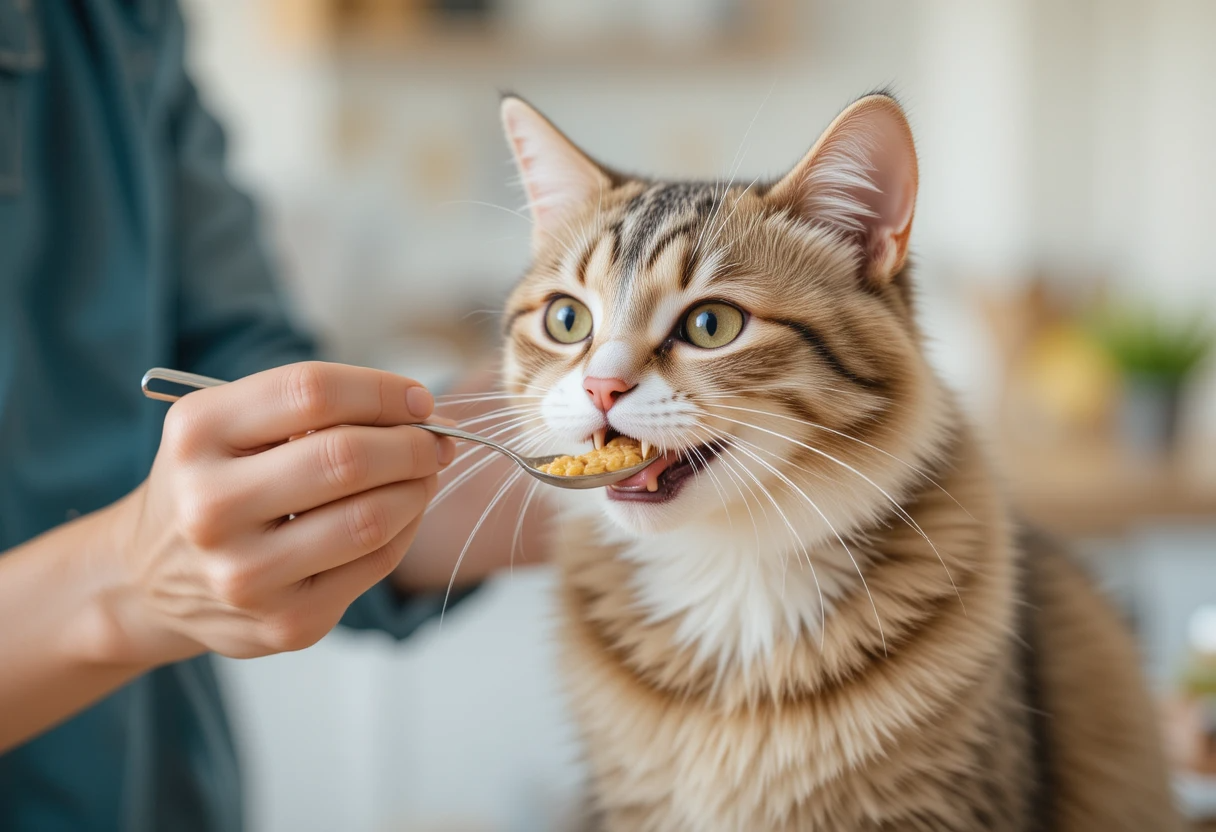
Successfully feeding a toothless senior cat involves more than just selecting the right food. Proper feeding techniques and environmental considerations can significantly impact your cat’s eating experience.
Optimal Feeding Schedule and Portion Control
Senior cats often benefit from smaller, more frequent meals rather than large portions. This approach aids digestion and ensures adequate nutrient absorption. Consider offering:
- 3-4 small meals throughout the day
- Consistent feeding times to establish routine
- Slightly warmed food to enhance palatability
Creating a Comfortable Feeding Environment
Environmental factors can significantly impact a toothless cat’s willingness to eat:
- Use shallow, wide bowls to prevent whisker stress
- Ensure feeding areas are quiet and stress-free
- Consider elevated feeding stations for arthritic seniors
- Maintain consistent feeding locations
Transitioning from Dry to Wet Food
If your senior cat previously ate primarily dry food, transition gradually to prevent digestive upset:
Week 1: Mix 25% wet food with softened dry kibble Week 2: Increase to 50% wet food mixture Week 3: Move to 75% wet food Week 4: Complete transition to 100% wet food
Monitor your cat’s response and adjust the timeline as needed. Some cats transition easily within days, while others require several weeks.
Managing Special Dietary Needs and Health Conditions
Senior cats with no teeth often have concurrent health conditions requiring specialized nutritional management.
Kidney Disease Considerations
Chronic kidney disease affects approximately 30-50% of cats over 15 years old. For toothless seniors with kidney issues:
- Choose foods with restricted phosphorus levels
- Ensure adequate high-quality protein
- Monitor hydration closely
- Consider prescription diets when recommended
Diabetes Management in Toothless Seniors
Diabetic cats require consistent carbohydrate control and meal timing:
- Select wet foods with minimal carbohydrate content
- Maintain strict feeding schedules
- Monitor blood glucose levels regularly
- Work closely with your veterinarian for insulin adjustments
Weight Management Strategies
Some toothless cats lose weight initially due to eating difficulties, while others may gain weight from eating softer, more calorie-dense foods:
- Monitor body condition score regularly
- Adjust portion sizes based on weight trends
- Consider age-appropriate exercise opportunities
- Discuss weight concerns with your veterinarian
Homemade Options and Supplements
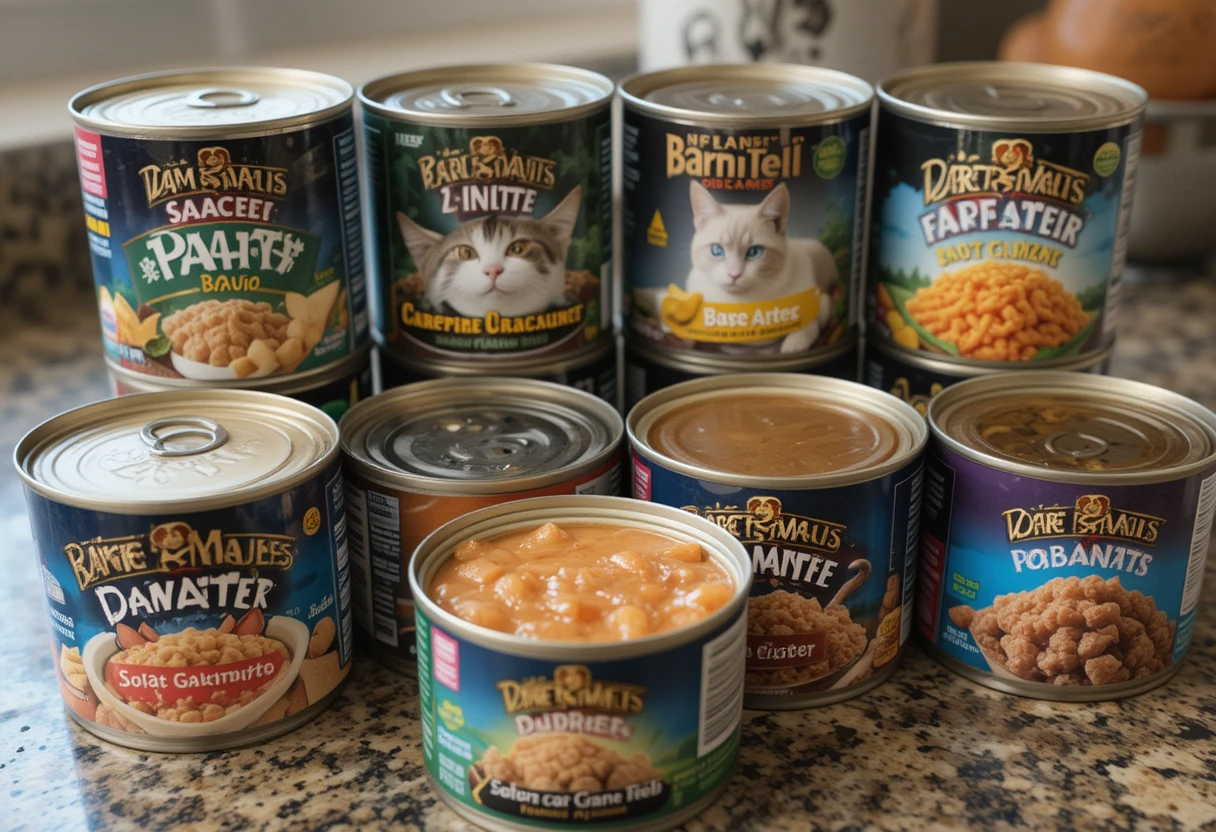
While commercial wet foods provide convenience and balanced nutrition, some pet parents prefer incorporating homemade elements into their toothless cat’s diet.
Safe Homemade Additions
Veterinary-approved homemade options include:
- Cooked, finely minced chicken breast
- Boneless, cooked fish (salmon, tuna) in small pieces
- Chicken or bone broth (low-sodium, onion-free)
- Cooked egg whites for additional protein
Supplements for Senior Health
Discuss these beneficial supplements with your veterinarian:
- Omega-3 fatty acids for inflammation reduction
- Glucosamine and chondroitin for joint health
- Probiotics for digestive support
- Antioxidants for immune system support
Foods to Avoid
Never offer toothless cats:
- Large chunks of raw meat (choking hazard)
- Bones of any type
- Dairy products (most cats are lactose intolerant)
- Foods containing onion, garlic, or other toxic ingredients
Monitoring Your Cat’s Response and Health
Regular monitoring ensures your toothless senior cat maintains optimal health and nutrition on their new diet.
Signs of Successful Adaptation
Positive indicators include:
- Enthusiastic eating behavior
- Stable or improved weight
- Normal litter box habits
- Increased activity levels
- Improved coat condition
Warning Signs Requiring Veterinary Attention
Contact your veterinarian if you observe:
- Persistent weight loss
- Difficulty swallowing or frequent gagging
- Changes in litter box habits
- Lethargy or decreased activity
- Loss of appetite lasting more than 24 hours
Regular Health Monitoring
Schedule regular veterinary checkups to monitor:
- Body condition and weight
- Kidney function through blood work
- Blood pressure (important for senior cats)
- Overall dental health of remaining teeth
Cost Considerations and Budget-Friendly Options
Feeding the best wet food for senior cats with no teeth doesn’t have to break the budget. Several strategies can help manage costs while maintaining quality nutrition.
Budget-Friendly Quality Brands
Affordable options that maintain nutritional standards include:
- Fancy Feast Classic Pâté varieties
- Friskies wet food selections
- 9Lives wet food options
- Store-brand wet foods from reputable retailers
Money-Saving Strategies
- Purchase in bulk when sales occur
- Subscribe to auto-delivery services for discounts
- Compare per-ounce pricing rather than per-can costs
- Consider rotating between premium and budget options
When to Invest in Premium Foods
Spend more on higher-quality foods when your cat has:
- Multiple health conditions requiring specialized nutrition
- Food allergies or sensitivities
- Difficulty maintaining weight
- Digestive issues with standard foods
Long-term Care and Quality of Life
Caring for a toothless senior cat extends beyond nutrition to encompass overall quality of life considerations.
Maintaining Oral Health Without Teeth
Even toothless cats benefit from oral care:
- Regular mouth examinations for remaining teeth
- Professional dental cleanings when appropriate
- Monitoring for oral tumors or other abnormalities
- Keeping the mouth clean and comfortable
Environmental Modifications for Senior Comfort
Consider these age-appropriate modifications:
- Soft, warm bedding in easily accessible locations
- Litter boxes with lower sides for easy entry
- Multiple food and water stations throughout the home
- Gentle heating sources for arthritic joints
Exercise and Mental Stimulation
Maintaining physical and mental activity supports overall health:
- Gentle play sessions appropriate for senior abilities
- Food puzzle toys modified for wet food
- Comfortable perches near windows for entertainment
- Interactive toys that don’t require vigorous play
FAQs
How long can a senior cat live without teeth?
Toothless cats can live normal lifespans when provided with appropriate nutrition and care. Many cats actually thrive after painful diseased teeth are removed, showing improved appetite and activity levels. The key is ensuring they receive properly textured food and maintain overall health through regular veterinary care.
Can I still give my toothless cat dry food?
Many toothless cats can still eat dry kibble by swallowing it whole or gumming it down. However, wet food is generally recommended as it’s easier to digest, provides essential moisture, and reduces the risk of choking. If offering dry food, soften it with warm water or broth first.
What’s the best texture of wet food for cats with no teeth?
Soft chunks in gravy or minced meat textures work best for most toothless cats. Avoid overly smooth pâtés that may stick to the roof of their mouth. Mousse textures or finely shredded meat in sauce are ideal alternatives. Each cat may have individual preferences, so try different textures to find what works best.
How do I know if my toothless cat is getting enough nutrition?
Monitor your cat’s weight, energy levels, and overall body condition. A healthy toothless cat should maintain stable weight, show normal activity levels, and have a shiny coat. Regular veterinary checkups including blood work can help ensure nutritional adequacy and detect any deficiencies early.
If your senior cat needs to gain weight healthily, check out our detailed guide on Top 10 Best Cat Foods for Senior Cats to Gain Weight to find the perfect nutrition options.
Is wet food more expensive than caring for a cat with dental disease?
While quality wet food involves ongoing costs, it’s typically much less expensive than treating advanced dental disease. Dental extractions, pain medications, and treatment for related health complications can cost thousands of dollars. Preventive nutrition with appropriate wet food is a cost-effective long-term investment in your cat’s health.
Ensuring your senior cat’s health involves not only choosing the best wet food for senior cats with no teeth but also maintaining a safe home environment. Learn more about safe plants for cats in our guide on Safe & Green: Non-Toxic Plants for Cats Safe to Eat.
Conclusion: Ensuring Your Toothless Senior Thrives
Selecting the best wet food for senior cats with no teeth involves understanding your cat’s individual needs, preferences, and any concurrent health conditions. The journey from dental disease to successful toothless living requires patience, observation, and often some trial and error to find the perfect feeding routine.
Remember that losing teeth doesn’t diminish your cat’s quality of life when proper nutrition and care are provided. Many toothless seniors experience renewed vitality and improved comfort once painful dental issues are resolved and appropriate feeding strategies are implemented.
Work closely with your veterinarian to develop a comprehensive care plan that addresses nutrition, health monitoring, and comfort measures. With the right approach, your toothless senior cat can enjoy many more happy, healthy years filled with delicious meals and comfortable living.
The brands and strategies outlined in this guide provide a solid foundation for success, but remember that every cat is unique. Pay attention to your feline’s individual responses and preferences, and don’t hesitate to adjust your approach as needed. Your toothless senior’s improved comfort and contentment will be the ultimate measure of success in your feeding journey.
If you want to take your cat outside safely, check out our step-by-step guide on How to Train a Cat to Walk on a Leash – Step-by-Step Guide.