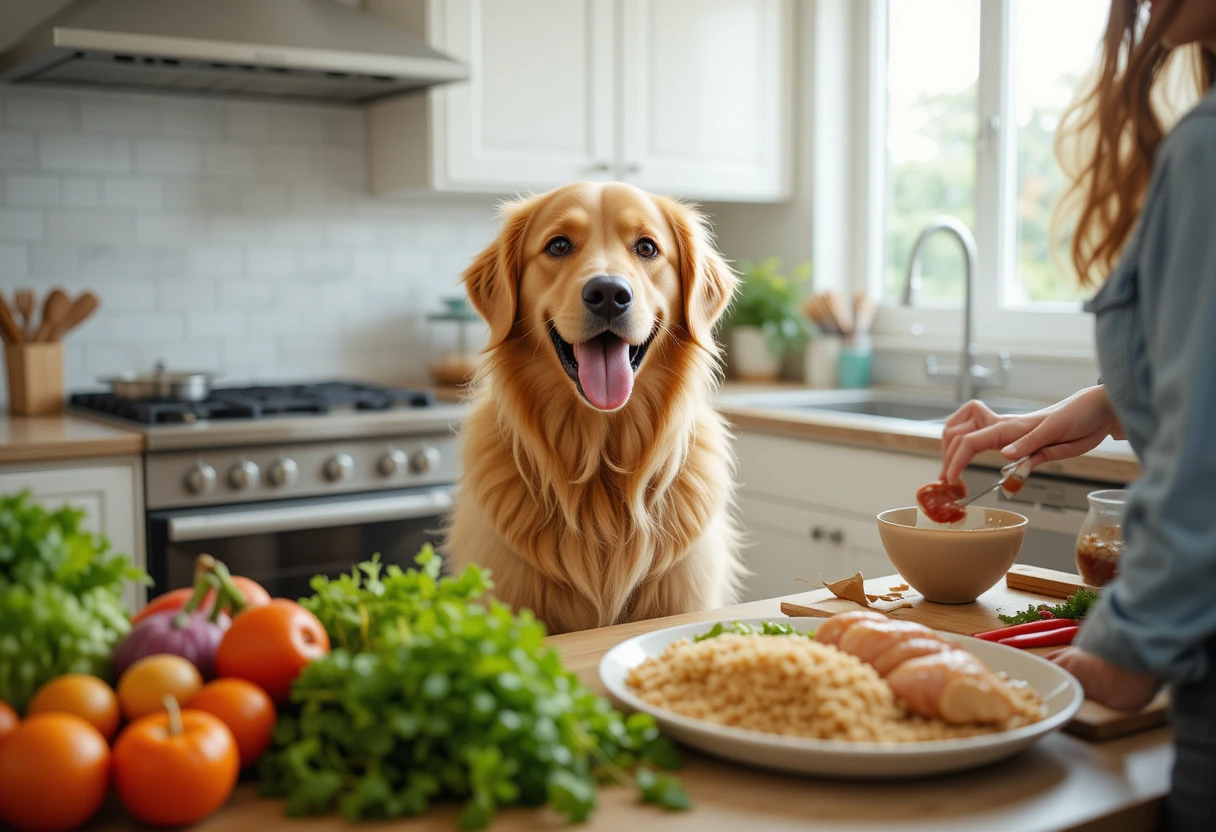
Preparing homemade meals for your canine companion can be a rewarding journey—one that gives you complete control over what goes into your dog’s bowl. As more pet owners become conscious of commercial dog food ingredients and production methods, the appeal of home cooking has grown significantly. But making the switch requires knowledge, preparation, and commitment to ensure your furry friend receives proper nutrition.
“Homemade food is a great option for many pets,” according to experts at UC Davis Veterinary Medicine, “but we recommend that owners avoid general recipes from books and the Internet and instead consult with a board-certified veterinary nutritionist.” This sentiment underscores an important truth: while home cooking offers benefits, it must be done with careful attention to nutritional completeness UC Davis.
In this guide, we’ll explore everything beginners need to know about preparing nutritionally balanced homemade meals for their dogs—from understanding canine nutritional needs to practical meal preparation tips and storage advice.

Understanding Your Dog’s Nutritional Needs
Unlike humans, dogs require specific nutrient balances that differ significantly from our own dietary needs. Before embarking on a homemade feeding regimen, it’s essential to understand these requirements.
Essential Nutrients Dogs Need
According to the American College of Veterinary Nutrition (ACVN), dogs need particular nutrient ratios based on their age, size, health condition, and breed. The following components are crucial:
-
Proteins: Dogs must have protein containing 10 specific essential amino acids their bodies can’t produce. Good sources include chicken, turkey, beef, lamb, and certain fish like salmon and herring. Protein typically should make up at least 10% of their diet.
-
Fats and Fatty Acids: These provide the most concentrated energy source and support cell function, skin health, and coat condition. Sources include animal fats and plant oils like flaxseed, coconut, and fish oils.
-
Carbohydrates: These provide energy and include rice, pasta, oatmeal, and quinoa.
-
Fiber: Essential for gastrointestinal health, fiber comes from vegetables like carrots, green beans, and pumpkin.
-
Vitamins: Dogs need vitamins A, B, C, D, E, K, and choline. Sources include liver, vegetables, fruits, fish, and organ meats.
-
Minerals: Twelve essential minerals include calcium, phosphorus, magnesium, and zinc. These support bone health, nerve function, and immune response.
-
Water: Always ensure fresh water is available to your dog AKC.
Balanced Proportions: Getting the Ratio Right
One of the most challenging aspects of homemade dog food is achieving the correct nutrient balance. According to experts, a generally recommended ratio is:
- 40% protein (chicken, beef, turkey, fish)
- 50% vegetables (carrots, green beans, peas, sweet potatoes)
- 10% carbohydrates (rice, pasta, potatoes)
However, this ratio may vary based on your dog’s specific needs. Some nutritionists recommend a simpler breakdown of 1/3 protein, 1/3 starch, and 1/3 vegetables, with appropriate supplements added to ensure complete nutrition.
Benefits of Homemade Dog Food
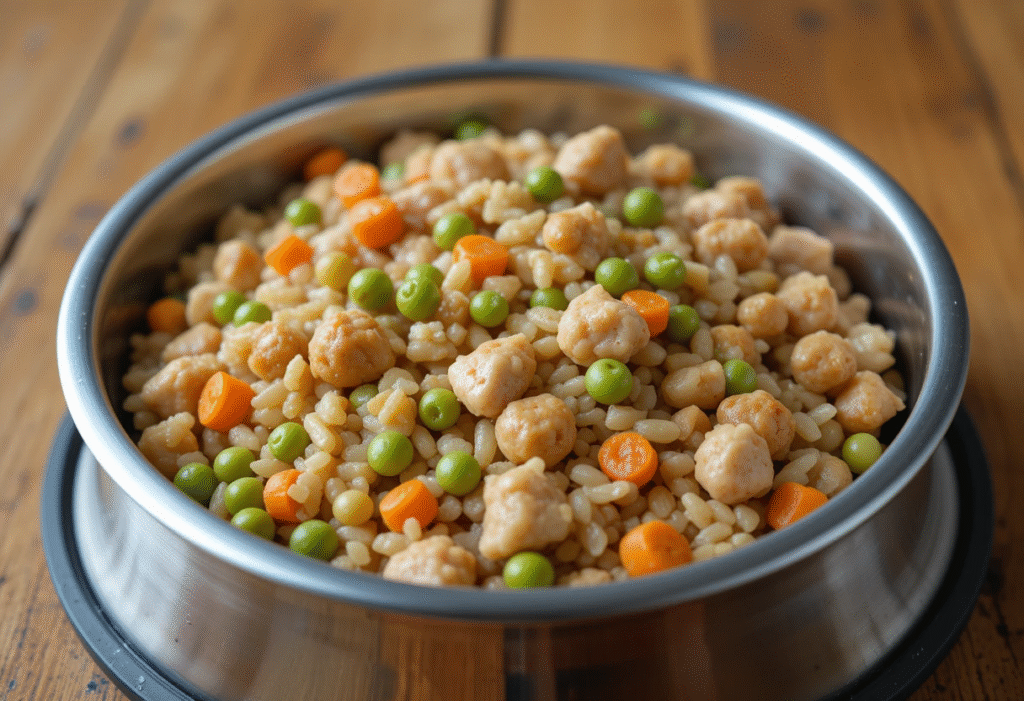
When prepared correctly, homemade dog food offers several advantages:
Control Over Ingredients
Perhaps the most significant benefit is knowing exactly what’s in your dog’s food. You can select high-quality, whole food ingredients without preservatives, fillers, or artificial additives that might be found in some commercial foods.
“While there are no scientifically-supported benefits to homemade diets, whole ingredient-based diets are better in the long term,” notes the American Kennel Club. This control is particularly valuable for dogs with food sensitivities or allergies AKC.
Freshness and Variety
Commercial dog foods typically contain the same ingredients meal after meal. With homemade options, you can vary proteins and vegetables, providing dietary diversity that keeps your dog interested in mealtime while ensuring a range of nutrients.
Potential Health Improvements
Many dog owners report noticeable improvements in their pets after switching to homemade food, including:
- Better digestion and fewer gastrointestinal issues
- Improved coat condition and skin health
- Increased energy levels
- Weight management
- Reduced allergy symptoms
Cost Considerations
While premium commercial dog foods can be expensive, homemade food costs vary depending on ingredients chosen. Buying in bulk and preparing large batches can make homemade options cost-effective, though typically they cost more than basic kibble.
Common Mistakes and How to Avoid Them
Before diving into recipe preparation, be aware of these common pitfalls:
Nutritional Imbalance
The most significant risk with homemade diets is creating nutritional deficiencies or excesses. Without proper calcium, for example, dogs can develop serious bone abnormalities. Always follow veterinarian-approved recipes precisely.
Ingredient Substitution
Seemingly minor changes, like substituting one meat for another or adjusting cooking methods, can significantly impact nutritional content. Stick to recipes as written or consult with a professional before making modifications.
Ignoring Supplements
Most homemade diets require supplements to ensure complete nutrition. According to research published in the Journal of the American Veterinary Medical Association, many homemade diet recipes lack clear instructions about necessary supplements, which can lead to nutritional deficiencies.
Using Toxic Ingredients
Some human foods are harmful or toxic to dogs, including:
- Chocolate
- Grapes and raisins
- Onions and garlic
- Macadamia nuts
- Xylitol (artificial sweetener)
- Avocados
- Alcohol
Always research ingredients thoroughly before including them in your dog’s food.
Inadequate Food Safety
Proper handling, cooking, and storage of homemade dog food are essential to prevent foodborne illness. Cook meats thoroughly, avoid cross-contamination, and refrigerate or freeze unused portions promptly.
Getting Started: Essential Equipment
Before preparing your first batch of homemade dog food, gather these kitchen essentials:
- Food scale for accurate measurements
- Food processor or blender
- Large cooking pots
- Storage containers (freezer-safe)
- Measuring cups and spoons
- Cooking thermometer (to ensure meats reach safe temperatures)
Beginner-Friendly Homemade Dog Food Recipes
Below are two veterinarian-approved recipes to get you started. Remember to consult with your veterinarian before introducing any new diet to your dog.
If you want to create personalized and vet-approved meal plans easily, try our Pet Food Recipe Generator to get recipes tailored to your dog’s age, size, and health needs.
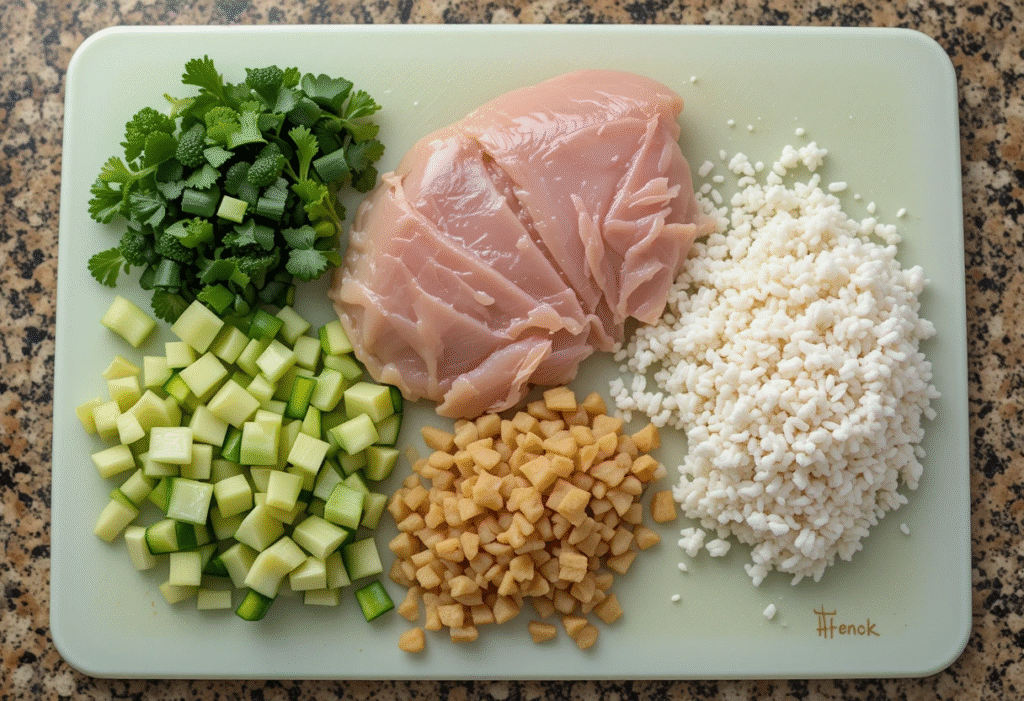
Basic Chicken and Rice Recipe
Ingredients:
- 1 pound ground turkey or chicken (lean)
- 2 cups brown rice (cooked)
- 1 cup carrots, finely chopped or shredded
- 1 cup green beans, chopped
- 1 tablespoon olive oil
- Appropriate vitamin and mineral supplement as recommended by your veterinarian
Instructions:
- Cook the rice according to package directions.
- In a large pot, heat olive oil over medium heat.
- Add ground meat and cook thoroughly, breaking it into small pieces.
- Add vegetables and continue cooking for 5-7 minutes until vegetables are soft.
- Allow to cool completely before mixing in any recommended supplements.
- Portion into meal-sized containers and refrigerate (use within 3-4 days) or freeze (use within 2 months).
Note: This recipe makes approximately 6 cups of food. The amount to feed depends on your dog’s weight, age, and activity level.
Beef and Sweet Potato Recipe
Ingredients:
- 1 pound lean ground beef
- 1 sweet potato, cubed
- 1/2 cup peas (frozen is fine)
- 1 large carrot, chopped
- 1 cup spinach, chopped
- 2 tablespoons fish oil
- Appropriate vitamin and mineral supplement as recommended by your veterinarian
Instructions:
- Boil sweet potato cubes until tender, about 10-15 minutes.
- Brown the ground beef in a skillet over medium heat, draining excess fat.
- In a large bowl, combine meat, sweet potatoes, and other vegetables.
- Add fish oil and mix thoroughly.
- Allow to cool completely before adding recommended supplements.
- Portion and store as with the previous recipe.
Transitioning Your Dog to Homemade Food
When introducing homemade food to your dog, a gradual transition is key to preventing digestive upset. Follow these steps:
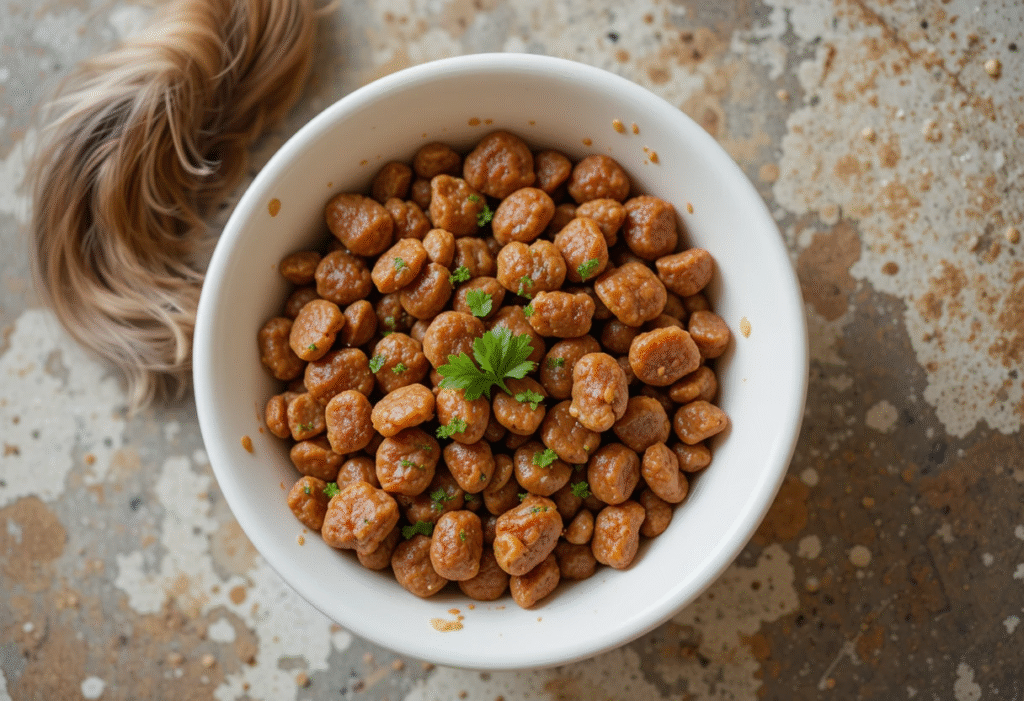
- Days 1-3: Mix 25% homemade food with 75% of your dog’s regular food.
- Days 4-6: Increase to 50% homemade food and 50% regular food.
- Days 7-9: Move to 75% homemade food and 25% regular food.
- Day 10 onward: Feed 100% homemade food.
Watch for signs of digestive distress during the transition, including diarrhea, vomiting, or decreased appetite. If these occur, slow down the transition process and consult your veterinarian.
Monitoring Your Dog’s Health
After switching to homemade food, observe your dog closely for any changes:
- Weight: Weigh your dog weekly to ensure they’re maintaining an appropriate weight.
- Coat condition: Note improvements or deterioration in coat shine and skin health.
- Energy levels: Monitor for changes in activity and vitality.
- Stool quality: Watch for changes in consistency, frequency, or color.
- Overall wellness: Look for any changes in behavior, appetite, or water consumption.
Schedule regular veterinary check-ups to ensure your dog remains healthy on the homemade diet. Your vet might recommend blood work to check for any nutritional deficiencies.
Storage and Food Safety
Proper storage of homemade dog food is crucial for safety and freshness:
- Refrigeration: Store fresh batches in airtight containers for 3-4 days.
- Freezing: Portion meals into single servings and freeze for up to two months. Label containers with the date prepared.
- Thawing: Move frozen portions to the refrigerator to thaw overnight. Never leave dog food at room temperature for more than 2 hours.
- Reheating: Warm food slightly before serving to enhance aroma and palatability. Ensure it’s not too hot before offering it to your dog.
Consulting Professionals
While this guide provides a foundation for homemade dog food preparation, professional guidance is invaluable. Consider these resources:
-
Veterinary Consultation: Your primary veterinarian can offer general guidance based on your dog’s health history.
-
Veterinary Nutritionist: These specialists can create customized recipes for your dog’s specific needs. Find one through the American College of Veterinary Nutrition (www.acvn.org).
-
Online Resources: Services like BalanceIT.com, developed by veterinary nutritionists, offer formulation tools and supplement recommendations.
-
Nutritional Supplements: Most homemade diets require vitamin and mineral supplements to ensure complete nutrition. Follow professional recommendations for appropriate products.
Conclusion
Preparing homemade food for your dog can be a satisfying way to contribute to their health and happiness. The key to success lies in education, proper planning, and commitment to nutritional balance. While the process requires more time and attention than scooping kibble from a bag, many pet owners find the benefits worth the effort.
Remember that every dog is unique, with individual nutritional needs that may change throughout their life. Regular veterinary check-ups and a willingness to adjust your approach as needed will help ensure your homemade diet supports your dog’s long-term health.
By taking the time to understand canine nutrition, prepare balanced meals, and monitor your dog’s response, you’re making an investment in their wellbeing that can pay dividends in health, vitality, and quality of life for years to come.
Whether you’re motivated by health concerns, ingredient control, or simply the joy of preparing fresh food for your furry family member, homemade dog food can be a rewarding journey—one delicious, nutritious bowl at a time.
Want to create a perfect meal for your furry friend?
👉 Try our Pet Food Recipe Generator today! – It’s simple, fast, and made just for beginners.
🐶 Already tried making your own dog food?
💬 Share your recipe or experience in the comments below. We’d love to hear from you!
If you’re thinking about which dog breed might suit your lifestyle best—especially when it comes to food, grooming, and care—don’t miss our post on the 10 Most Expensive Dog Breeds You Can Adopt Today. These breeds not only come with a big price tag but may also need special diets and extra attention when it comes to homemade meals!