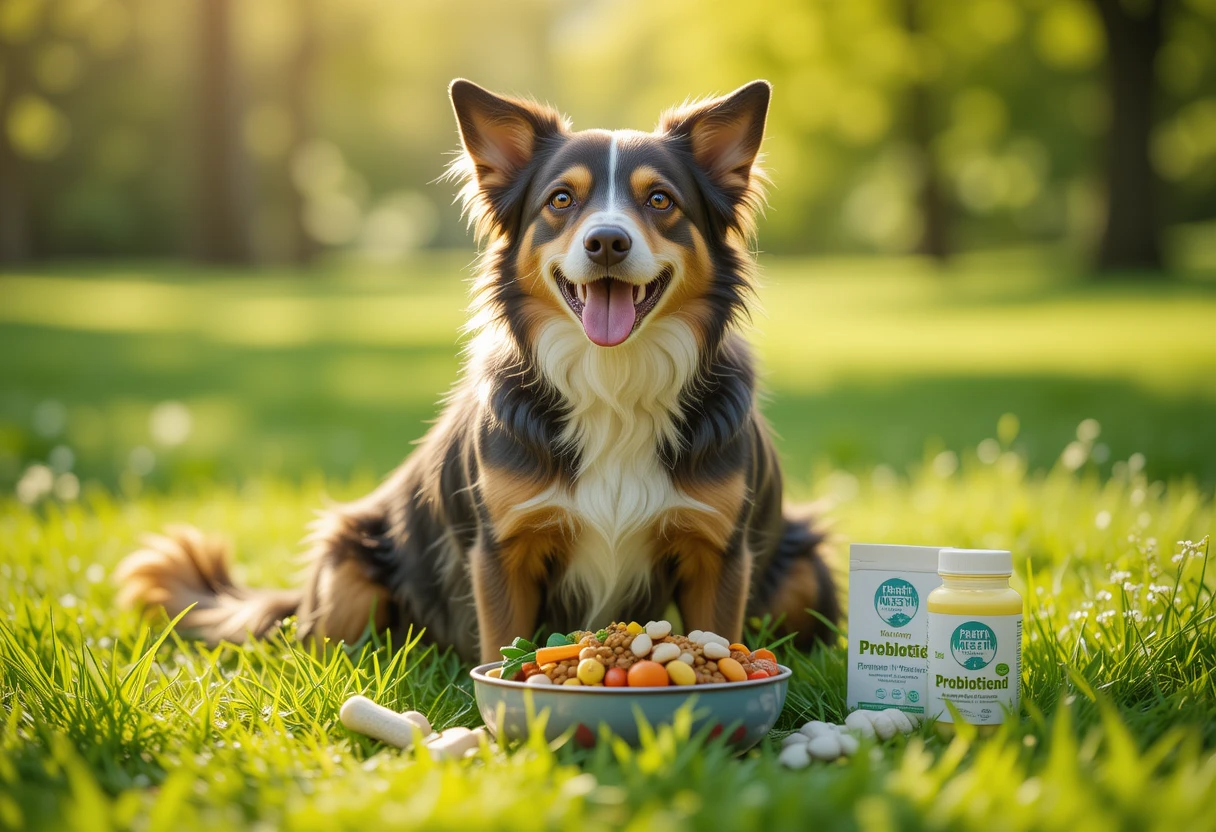
Your dog’s gut health is the foundation of their overall well-being, affecting everything from their immune system to their behavior and energy levels. Recent research reveals that 70-80% of a dog’s immune system resides in their gut, making digestive health crucial for preventing disease and maintaining vitality.
If you’ve noticed your furry friend experiencing digestive issues, skin problems, or changes in behavior, their gut microbiome might be calling for attention.
Understanding how to improve dog gut health isn’t just about treating symptoms—it’s about creating a thriving ecosystem of beneficial bacteria that supports your pet’s long-term health.
This comprehensive guide will walk you through evidence-based strategies, expert recommendations, and practical steps to transform your dog’s digestive wellness naturally.
What’s Really Going On Inside Your Dog’s Stomach?
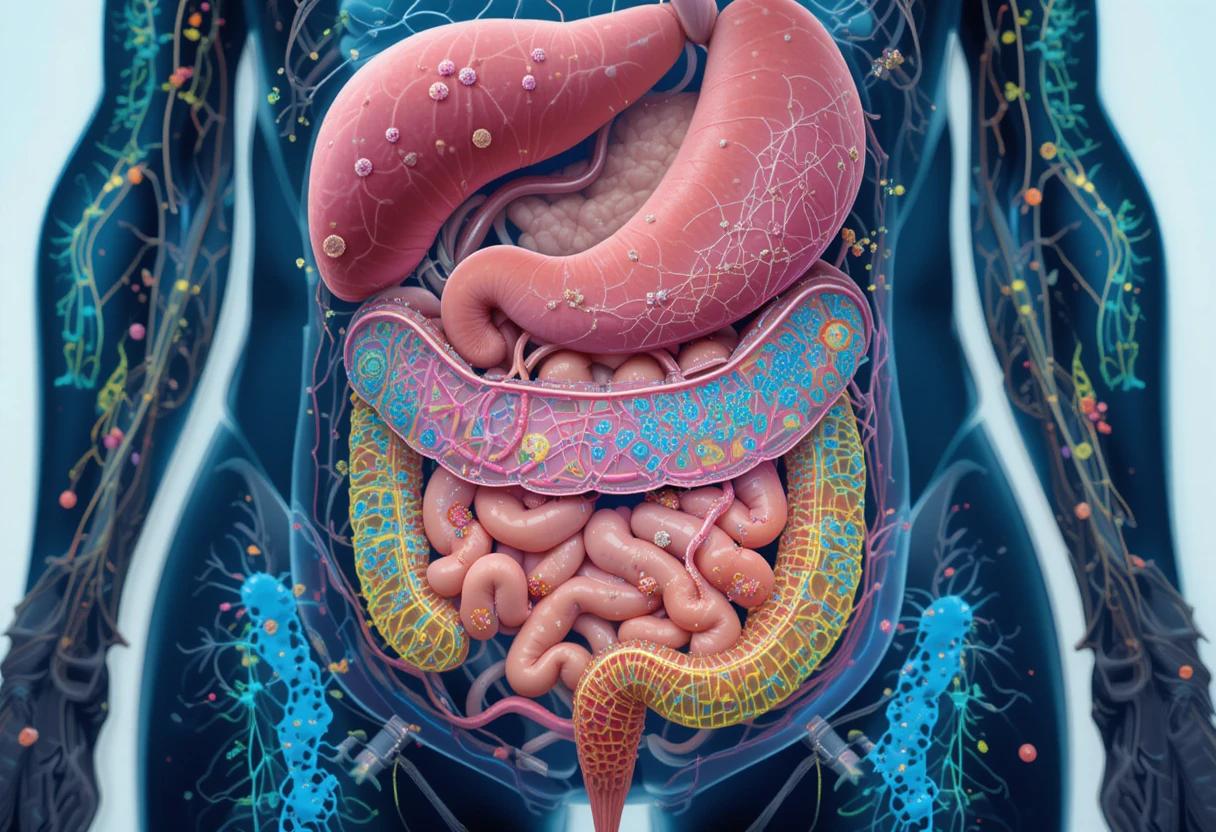
The dog gut microbiome consists of trillions of microorganisms living in your pet’s digestive tract. These microscopic inhabitants play vital roles in digestion, nutrient absorption, immune function, and even mental health through the gut-brain axis. Research published in Nature shows that the canine microbiome shares remarkable similarities with the human gut microbiome, making dogs excellent models for microbiome research.
A healthy gut microbiome maintains a delicate balance between beneficial bacteria (like Lactobacillus and Bifidobacterium) and potentially harmful organisms. When this balance shifts—due to factors like poor diet, stress, antibiotics, or illness—it can lead to digestive problems and compromised immunity.
The Gut-Brain Connection in Dogs
Emerging research demonstrates a strong connection between gut health and canine behavior. A 2024 study examined the relationship between behavioral disorders and gut microbiota in dogs, revealing that imbalanced gut bacteria can contribute to anxiety, aggression, and other behavioral issues.
This gut-brain axis operates through neural, hormonal, and immune pathways, highlighting why improving dog gut health can positively impact both physical and mental well-being.
If your pup struggles with peeing when excited, don’t miss our full guide on How to Stop Puppy Excited Pee Quickly Proven Tips to End Excitement Urination.
How to Improve Dog Gut Health Naturally at Home
Before diving into improvement strategies, it’s essential to recognize when your dog’s gut health needs attention. Common signs of digestive imbalance include:
Primary Symptoms:
- Chronic diarrhea or loose stools
- Frequent constipation
- Excessive gas or bloating
- Vomiting or regurgitation
- Loss of appetite
- Abdominal pain or tenderness
Secondary Symptoms:
- Bad breath (halitosis)
- Dry, itchy, or flaky skin
- Dull coat
- Weight loss or gain
- Lethargy or decreased energy
- Changes in behavior or mood
- Frequent infections
According to veterinary research, these symptoms often indicate an imbalanced gut microbiome that requires intervention. The good news is that most gut health issues can be addressed through natural methods and dietary modifications.
The Four-Step Approach to Improve Dog Gut Health
Leading veterinary microbiome experts recommend a systematic approach known as “Test, Add, Remove, and Rebalance” to restore optimal gut health. This evidence-based method, pioneered by AnimalBiome, provides a structured pathway to digestive wellness.
Step 1: Test Your Dog’s Gut Microbiome
Microbiome testing offers valuable insights into your dog’s gut bacteria composition, helping identify specific imbalances that need addressing. These tests analyze stool samples to determine:
- Bacterial diversity levels
- Beneficial bacteria populations
- Harmful organism overgrowth
- Antibiotic resistance genes
- Digestive enzyme activity
While not essential for basic gut health improvement, testing provides personalized data that can guide targeted interventions, especially for dogs with chronic digestive issues.
Step 2: Add Beneficial Elements
Probiotics for Dogs
High-quality probiotics introduce beneficial bacteria to restore microbial balance. Cornell University research recommends 1-10 billion CFUs daily for dogs. The most effective strains for canines include:
- Bifidobacterium animalis (strain AHC7): Helps with acute diarrhea
- Lactobacillus acidophilus: Supports overall digestive health
- Enterococcus faecium: Aids in maintaining healthy gut flora
- Saccharomyces boulardii: A beneficial yeast that supports gut balance
Prebiotics: Food for Good Bacteria
Prebiotics are indigestible fibers that feed beneficial gut bacteria. Natural prebiotic sources for dogs include:
- Sweet potatoes
- Asparagus
- Berries (blueberries, cranberries)
- Leafy greens (spinach, kale)
- Pumpkin seeds
- Chia seeds
- Jerusalem artichokes
Fermented Foods
Fermented foods provide natural probiotics and enzymes that support digestion. Safe options for dogs include:
- Plain, unsweetened yogurt (in moderation)
- Kefir (low-lactose varieties)
- Low-sodium sauerkraut
- Fermented vegetables (without harmful seasonings)
Step 3: Remove Harmful Elements
Dietary Toxins and Gut Disruptors
Certain foods and substances can damage the gut microbiome and should be eliminated:
- Processed foods: High in preservatives and artificial additives
- Excessive sugars: Feed harmful bacteria
- Low-quality proteins: Difficult to digest and may cause inflammation
- Harmful human foods: Chocolate, grapes, onions, garlic, and artificial sweeteners
Antibiotic Considerations
While antibiotics are sometimes necessary, they can disrupt the gut microbiome by killing both harmful and beneficial bacteria. Research shows that antibiotic use should be followed by microbiome restoration efforts, including probiotic supplementation and dietary support.
Stress Reduction
A 2024 study demonstrated that acute stress significantly impacts the canine gut microbiota. Reducing stress through regular exercise, consistent routines, and environmental enrichment supports gut health recovery.
Step 4: Rebalance Through Nutrition
Species-Appropriate Diet
Dogs thrive on high-protein, moderate-fat, low-carbohydrate diets that mirror their ancestral eating patterns. This approach supports beneficial bacteria while limiting foods that feed harmful organisms.
Fiber Optimization
Adequate fiber is crucial for gut health, providing food for beneficial bacteria and supporting healthy digestion. Target 2-4% crude fiber in your dog’s diet through sources like:
- Pumpkin (plain, cooked)
- Sweet potatoes
- Green beans
- Broccoli
- Carrots
Effective Natural Home Remedies to Improve Your Dog’s Gut Health
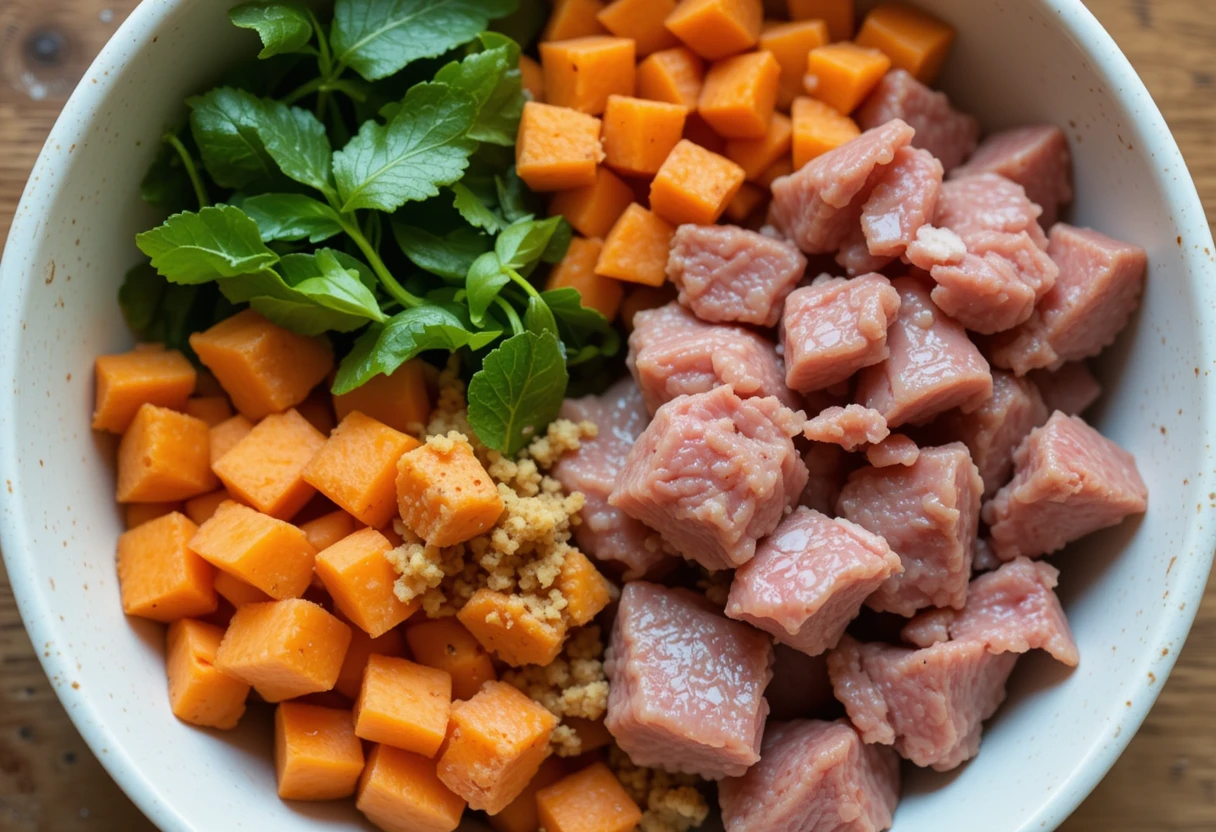
The Power of Whole Foods
Fresh, minimally processed foods provide the nutrients and enzymes necessary for optimal digestion. Research indicates that dogs fed whole food diets show greater microbiome diversity compared to those eating highly processed kibble.
Gut-Healthy Superfoods for Dogs:
- Bone Broth: Rich in collagen and amino acids that heal the gut lining
- Coconut Oil: Contains medium-chain triglycerides with antimicrobial properties
- Turmeric: Anti-inflammatory compound that supports digestive health
- Ginger: Natural digestive aid that reduces nausea and inflammation
- Slippery Elm: Soothes irritated digestive tissues
Novel Protein Sources
For dogs with food sensitivities, novel proteins that their immune system hasn’t encountered can reduce inflammation and support gut healing. Options include:
- Venison
- Duck
- Rabbit
- Fish (salmon, sardines)
- Turkey
Hydration and Gut Health
Proper hydration is essential for digestive function and nutrient absorption. Ensure your dog has access to fresh, clean water and consider adding bone broth or low-sodium chicken broth to increase fluid intake.
Check out our guide on Best Air Purifier for Homes with Multiple Dogs to find the perfect solution for cleaner air around your furry friends!
Advanced Gut Health Interventions
Fecal Microbiota Transplantation (FMT)
For severe gut imbalances, FMT involves introducing healthy gut bacteria from a donor dog through oral capsules or other methods. Studies show FMT can be more effective than traditional probiotics for restoring gut diversity.
Digestive Enzymes
Dogs with compromised pancreatic function may benefit from digestive enzyme supplements that aid in protein, fat, and carbohydrate breakdown. These supplements can reduce digestive stress and improve nutrient absorption.
Herbal Support
Natural herbs can support gut healing and reduce inflammation:
- Chamomile: Calms digestive inflammation
- Marshmallow Root: Soothes irritated gut lining
- Licorice Root: Anti-inflammatory and gut-protective
- Aloe Vera: Healing properties for digestive tissues
How Long Does It Take to Improve Dog Gut Health?
The timeline for gut health improvement varies based on the severity of imbalance and the interventions used:
Short-term (1-2 weeks):
- Initial probiotic colonization
- Reduction in acute symptoms like diarrhea
- Improved stool consistency
Medium-term (4-6 weeks):
- Establishment of beneficial bacteria populations
- Noticeable improvements in energy and coat quality
- Stabilization of digestive function
Long-term (3-6 months):
- Complete microbiome rebalancing
- Resolution of chronic issues
- Optimal immune function
AnimalBiome’s research suggests that significant improvements can occur within 2 weeks, with full restoration taking 3-5 months of consistent intervention.
Creating a Gut-Healthy Lifestyle for Your Dog
Exercise and Environmental Exposure
Regular outdoor activity exposes dogs to diverse environmental microbes that support gut diversity. Research shows that dogs with varied environmental exposure have more robust microbiomes.
Stress Management
Chronic stress disrupts gut bacteria balance through the gut-brain axis. Implement stress-reduction strategies:
- Consistent daily routines
- Adequate mental stimulation
- Regular exercise
- Calming environments
- Positive training methods
Sleep Quality
Quality sleep supports immune function and gut repair. Ensure your dog has a comfortable, quiet sleeping environment and maintains regular sleep schedules.
Monitoring Progress and Adjusting Strategies
Track your dog’s gut health improvement through:
Objective Measures:
- Stool consistency and frequency
- Weight stability
- Energy levels
- Appetite
- Coat condition
Behavioral Indicators:
- Mood stability
- Reduced anxiety
- Improved focus
- Better social interactions
Professional Assessment:
- Regular veterinary check-ups
- Follow-up microbiome testing
- Blood work to assess overall health
When to Consult a Veterinarian
While many gut health issues can be addressed naturally, certain situations require professional intervention:
- Persistent vomiting or diarrhea lasting more than 24-48 hours
- Blood in stool or vomit
- Signs of dehydration
- Severe lethargy or weakness
- Failure to respond to dietary interventions within 2-3 weeks
- Chronic conditions requiring ongoing management
FAQs
Most dogs show initial improvements within 1-2 weeks of implementing gut health strategies, with full microbiome restoration taking 3-6 months. Consistent probiotic supplementation typically requires 4-6 weeks to establish beneficial bacteria populations effectively. How long does it take to improve dog gut health?
Can I give my dog probiotics daily?
Yes, daily probiotic supplementation is generally safe for most dogs and often recommended for optimal gut health maintenance. Cornell University research suggests 1-10 billion CFUs daily, but dogs with compromised immune systems should only receive probiotics under veterinary supervision.
What foods should I avoid to protect my dog’s gut health?
Avoid processed foods, excessive sugars, low-quality proteins, and toxic human foods like chocolate, grapes, onions, and artificial sweeteners. These foods can disrupt the gut microbiome and cause digestive inflammation.
How do I know if my dog has gut problems?
Common signs include chronic diarrhea, constipation, excessive gas, vomiting, loss of appetite, bad breath, skin issues, and lethargy. Behavioral changes like increased anxiety or aggression can also indicate gut-brain axis disruption.
Can stress affect my dog’s gut health?
Yes, acute and chronic stress significantly impact the canine gut microbiota through the gut-brain axis. Stress hormones can alter bacterial populations and increase inflammation, making stress management crucial for gut health maintenance.
Learn more in our guide on How to Become a Psychiatric Service Dog Trainer in 2025.
Conclusion
Improving dog gut health requires a comprehensive approach that addresses diet, lifestyle, and environmental factors. By implementing the four-step method of testing, adding beneficial elements, removing harmful factors, and rebalancing through proper nutrition, you can significantly enhance your dog’s digestive wellness and overall quality of life.
Remember that gut health improvement is a journey, not a destination. Consistency in implementing these strategies, combined with patience and careful monitoring, will yield the best results. The investment in your dog’s gut health pays dividends through improved immunity, better behavior, increased energy, and a longer, healthier life.
Start with simple dietary modifications and gradually incorporate additional strategies based on your dog’s response. With dedication and the right approach, you can transform your pet’s digestive health and unlock their full potential for wellness and vitality.